Best Futurism & Hard Sci-Fi Progression Fantasy
Progression fantasy meets rigorous futurism in this curated list of sci-fi novels where plausibility meets power growth. These stories blend near-future tech, hard sci-fi concepts, and systematic advancement—whether through stats, cybernetics, or alien evolution—while grounding their worlds in believable extrapolations of physics, AI, or interstellar politics. From dogfights against sentient starships to biomechanical grafts that demand philosophical banter mid-combat, these books reward readers who crave both cerebral worldbuilding and satisfying progression arcs. Scroll to discover your next obsession among the best sci-fi futurism progression fantasy has to offer.
Want a different angle after this list? Compare more books like pages, scan the full published novel index, or jump to Kindle and Audible editions.
-
 by Fuggmann
Earns its top spot with hyper-detailed space combat physics and a protagonist whose three-strike insignia isn’t just cosmetic—it’s a death sentence in a war against self-replicating warships. The AI dialogue trees alone justify the hard sci-fi cred.
An ace pilot fights dogfights against talking starships and rogue AIs in a cosmos where his three-strike insignia marks him for death.
-
![Flesh of Gods [LitRPG, Comedy, Space Whales] cover](https://www.royalroadcdn.com/public/covers-large/156378-flesh-of-gods-litrpg-comedy-space-whales.jpg?time=1777258228) by vgvalmai
by vgvalmaiA biomechanical LitRPG where the 'system' is literally grafted to the MC’s spine, demanding he punch kaiju while quoting Nietzsche. The fusion of body horror and contract-law worldbuilding makes the progression terrifyingly plausible.
Nathan’s indentured servitude contract includes a god-fragment grafted to his spine that demands he punch things, eat monsters, and quote philosophers mid-combat.
-
 by Angry Spider
Standout for its xenobiological rigor—the protagonist’s crippled exoskeleton evolves via alien ecosystems, not stats. The galactic hierarchy feels like a speculative anthropology thesis with laser cannons.
A juvenile of the galaxy's ruling species, abandoned and crippled by her own kind, searches for belonging while unraveling the mystery of her origin.
-
 by Shadow Crystal Mage
Magical girl clones surviving on a toxic planet? The hard sci-fi twist: their 'eavesdropping' powers rely on realistic quantum entanglement. Cozy yet technically inventive.
Clones of a forgotten magical girl struggle to survive on a toxic, kaiju-infested planet while eavesdropping on distant civilizations for a chance at first contact.
-
 by Django Wexler
The mecha that eats planetary cores isn’t just cool—it’s a terrifyingly plausible post-scarcity weapon. Watch the anti-hero exploit orbital mechanics like a physics exam gone rogue.
A con artist leads a rebellion against an immortal god-emperor with a mecha that grows stronger by devouring the bones of the earth.
-
 by PlumParrot
Channeling energy through a failing cybernetic body isn’t magic—it’s catastrophic engineering. The progression system mirrors real-world power grid failures, making every upgrade a calculated risk.
Hector Finalis channels explosive potentia through a scavenged body that could tear itself apart before he gets his revenge.
-
 by Ralts Bloodthorne
Precursor tech here isn’t handwaved—it’s reverse-engineered through brutal trial and error, with casualty rates that’d make NASA wince. The military logistics feel ripped from a DARPA whitepaper.
A fractured Terran remnant must wield an ancient Precursor weapon or watch their legacy vanish in a galaxy starving for their lost technology.
-
 by Gogglesbear
A bioweapon’s progression is chillingly methodical: it doesn’t 'level up' so much as repurpose its own cellular machinery. The lab reports between chapters sell the hard sci-fi angle.
A sentient bioweapon with terrifying power and unsettling curiosity navigates Fortress City's underworld, searching for purpose beyond its violent design.
-
 by Guardbro's Field Desk
Humanity’s 'brutal war games' are less fantasy and more advanced trauma training simulations. The alien POV dissects human endurance with near-clinical precision.
Rhidi trades dynastic matchmaking for Earth’s brutal war games, where armored combat and alien monsters test her limits—and humanity’s grudges run deeper than she knows.
-
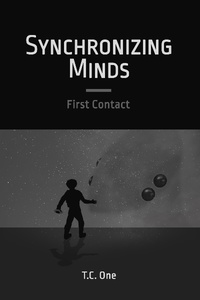 by Cherubiel
First contact hinges on hacking an alien neurology that perceives time nonlinearly. The communication breakthroughs read like a xenolinguistics dissertation with stakes.
Ambassador Neil must bridge the gap between human logic and an alien mind that defies comprehension, before first contact turns into last warning.
-
 by Ralts Bloodthorne
The alien armada’s tactics evolve via swarm intelligence algorithms—and so must humanity’s. Fleet battles play out like chess with relativistic weapons.
A dying star empire fights to hold the line as an unstoppable alien armada emerges—and humanity’s return may be too late.
-
 by Seras
Night City’s 'Gamer System' glitches are actually buffer overflows in neural implants. The progression is less RPG and more debugging a failing operating system.
A crippled scavenger in Night City claws her way up with a glitching Gamer System, where every skill learned could save her life—or end it.
-
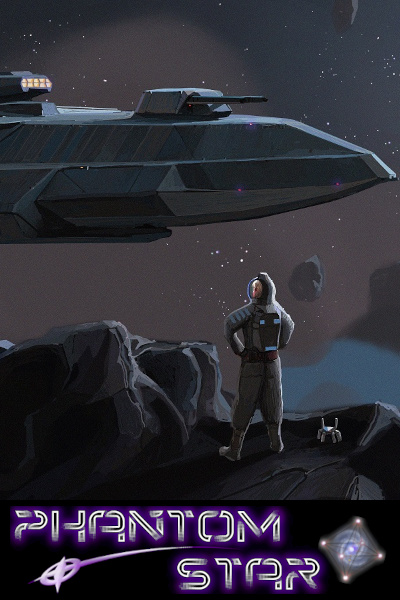 by Seras
Scavenging isn’t just a trope—it’s orbital mechanics in action. Every salvaged bolt affects delta-v calculations in this brutally realistic take on space survival.
Katherine hears the stars calling, but escaping her dying station will take more than dreams—it’ll take every bolt and scrap she can scavenge.
-
![LF Friends, Will Travel [HFY] cover](https://www.royalroadcdn.com/public/covers-large/70073-lf-friends-will-travel.jpg?time=1708117846) by Bainshie
by BainshieHuman diplomacy as a superpower works because the aliens follow actual game theory. The friendship ‘progression’ is really just exploiting cooperative equilibria.
Humanity's greatest weapon isn't war—it's their baffling ability to befriend hostile aliens, rogue AI, and even broken vending machines.
-
by TheCursorHasntMoved
The human mechanic’s ‘hidden genius’ isn’t luck—it’s cross-species ergonomics and intuitive physics. Watch him MacGyver solutions using alien tech manuals like IKEA instructions.
A stranded human mechanic hides his extraordinary skills from the alien family who took him in, but his secrets could save or destroy them all.
Explore more lists
Browse all →Progression fantasy thrives on ambition, but these protagonists take it further—lying, stealing, and breaking rules to…
This list curates the best Western-written cultivation and Eastern-inspired progression fantasies, where protagonists cl…
Grimdark progression fantasy merges relentless advancement with bleak worlds where power comes at horrific costs. These …
These isekai and reincarnation progression fantasies thrust characters into worlds where leveling up isn’t optional—…
LitRPG and progression fantasy thrive on protagonists who claw their way to power—but these stories prove women domina…
Magic academies are the perfect setting for progression fantasy—structured training, rivalries, and hidden power just …